
How to Prepare for Gorilla Trekking in Rwanda: A Local Checklist
From the permit to the trek morning: what to do, in what order, from a guide who grew up beside Volcanoes National Park
The short answer
To prepare for gorilla trekking in Rwanda, book your US$1,500 permit 3 to 6 months ahead, keep up the exercise you already do, and tell your guide about any health issue. Pack boots, gaiters, gloves and a rain jacket, arrive a day early and take out travel insurance. We brief you on the drive to the park.
Written by Eric Sabi, Founder and RDB-licensed guide · Updated November 2026
How to prepare for gorilla trekking in Rwanda: three to six months out
Book the permit first and the flights second. A permit costs US$1,500 per person, only 96 are issued each day, and the dates that sell out first are June to September and December to February. Most guests book 3 to 6 months ahead; some book 9 or 12 months ahead. We book permits early and watch for cancellations, so we can sometimes find last-minute slots, but it is never guaranteed.
The name and details on the permit must match the passport you carry on the morning of the trek. When we book for you, we ask for passport copies at the start and bring photocopies to the park office. The full steps are in how to book a Rwanda gorilla trekking permit, and the price is explained in what gorilla trekking in Rwanda costs. Our Rwanda safari cost guide shows what a whole trip costs, and our gorilla trekking safaris in Rwanda show what is included.
Your papers: passport, visa, yellow fever and insurance
Check these before you pay for flights:
- Passport: valid for your trip, and the same name as on the permit.
- Visa: free for 30 days for citizens of African Union, Commonwealth and Francophonie countries; otherwise US$50 for a single entry, online or on arrival.
- Yellow fever: a certificate is needed only if you arrive from a risk country, including more than 12 hours in transit there. Our gorilla trekking FAQs cover the rest.
- Age: the minimum is 15. There is no upper age limit.
- Insurance: we strongly recommend travel insurance. You pay for medical, evacuation and repatriation costs it does not cover, and the permit is non-refundable if you cannot trek.
- Plastic bags: they are banned in Rwanda. You are asked to take your belongings out of any plastic bag and leave it at the airport.
Tell us about your health
When you confirm, we ask you to tell us about your health: a chronic condition, a heart problem, bad knees, a hip replacement, anything. We ask because on the evening before the trek we fill in a form for the park office with your age, health and any request. The park decides which gorilla family each guest sees, and it looks at age, health and how many days in a row you have trekked. If you would like an easy or a medium trek because of a knee or your heart, we say so on the form. Nothing is guaranteed, because the park makes the final decision.
If you tell us at the last minute, we still pass it on, because the park needs to know. There are doctors at the park office on the day. The difficulty of the walk itself is in how difficult gorilla trekking in Rwanda is.
Training: keep doing what you already do
There is no set number of weeks. Training is mostly a lifestyle habit, and this is what we tell every guest. If you go to the gym, keep going. If you can hike near home, even a little, do more of it, on uneven ground and uphill. Train at your own pace, not like a marathon runner. The altitude (2,300 to 2,600 meters) and the length of the hike are the hard parts, so prepare your mind as well as your legs.
Charge a spare battery for your phone. If you are a professional photographer, bring a spare camera battery too.
Training
We do not ask guests to follow a training plan. We ask them to keep up what they already do.
Before you arrive
Most guests are well informed before they arrive: they get a packing list and a checklist the day they confirm.
The briefing
The briefing happens on the drive to the park, so your evening at the lodge stays free.
Read more about EricEric Sabi, Founder and RDB-licensed guide
Five things to put in your bag
Eric tells every guest the same five: hiking boots, a long-sleeved shirt and long trousers, gaiters, a rain jacket and garden gloves. Add a small backpack, sunscreen, a hat and water. Do not bring a telephoto lens, because you stay at least 7 meters from the gorillas. You hand the backpack to a porter, who carries it. Porters are local community members, recommended in every season, and cost about US$10 a day. Most guests tip US$10 to US$20. The full list, with the camera and rain advice, is in what to pack for gorilla trekking in Rwanda.

Arrive a day early
On every one of our gorilla trekking tours in Rwanda we pick you up at Kigali airport. If you have a night in Kigali, the next day we do a city tour and then drive to Volcanoes National Park: about 105 km, 2.5 to 3 hours depending on traffic. We recommend you arrive a day before the trek, so you can rest and get used to sleeping at high elevation.
On the drive we tell you about the park, its history, the gorillas and the conservation work, and then we brief you for the next day: what to wear, what to bring and what to expect. Most luxury lodges are in Kinigi; where to stay for gorilla trekking in Rwanda compares them, and our luxury Rwanda safaris include them.
Preparation timeline: what to do and when
Every step in order, from booking the permit to the trek morning, and the post that has the detail.
| When | What to do | Where the detail is |
|---|---|---|
| 3 to 6 months before (earlier for June to September and December to February) | Choose dates, confirm the itinerary and book the permit | Permit post |
| Once the permit is confirmed | Book flights and accommodation; send passport copies | Cost post |
| When you confirm with us | We send the packing list and checklist; you tell us about your health | This post |
| Before you travel | Passport, visa and insurance; keep up your usual exercise; charge a spare phone battery | FAQs |
| The day before the trek | Airport pick-up, drive to Volcanoes National Park, briefing on the way | Where to stay |
| Evening before | We file the park form with your age, health and requests | Difficulty post |
| Trek morning | Lodge pick-up about 6:30 am; at the park office by 7:00 am | What happens post |
The morning of the trek
On our Rwanda gorilla trekking tours we pick you up at your lodge at about 6:30 am. You are at the park head office by 7:00 am, where the permit and your passport are checked and the park assigns your gorilla family. There is no fixed start time for the trek itself: it starts when your group reaches the trailhead. We provide water in reusable bottles, and one liter is usually enough. Your lodge gives you a snack and a packed lunch.
What happens next, hour by hour, is in what happens during gorilla trekking in Rwanda. If the weather worries you, the best time for gorilla trekking explains the seasons, and how safe gorilla trekking in Rwanda is covers the risks.
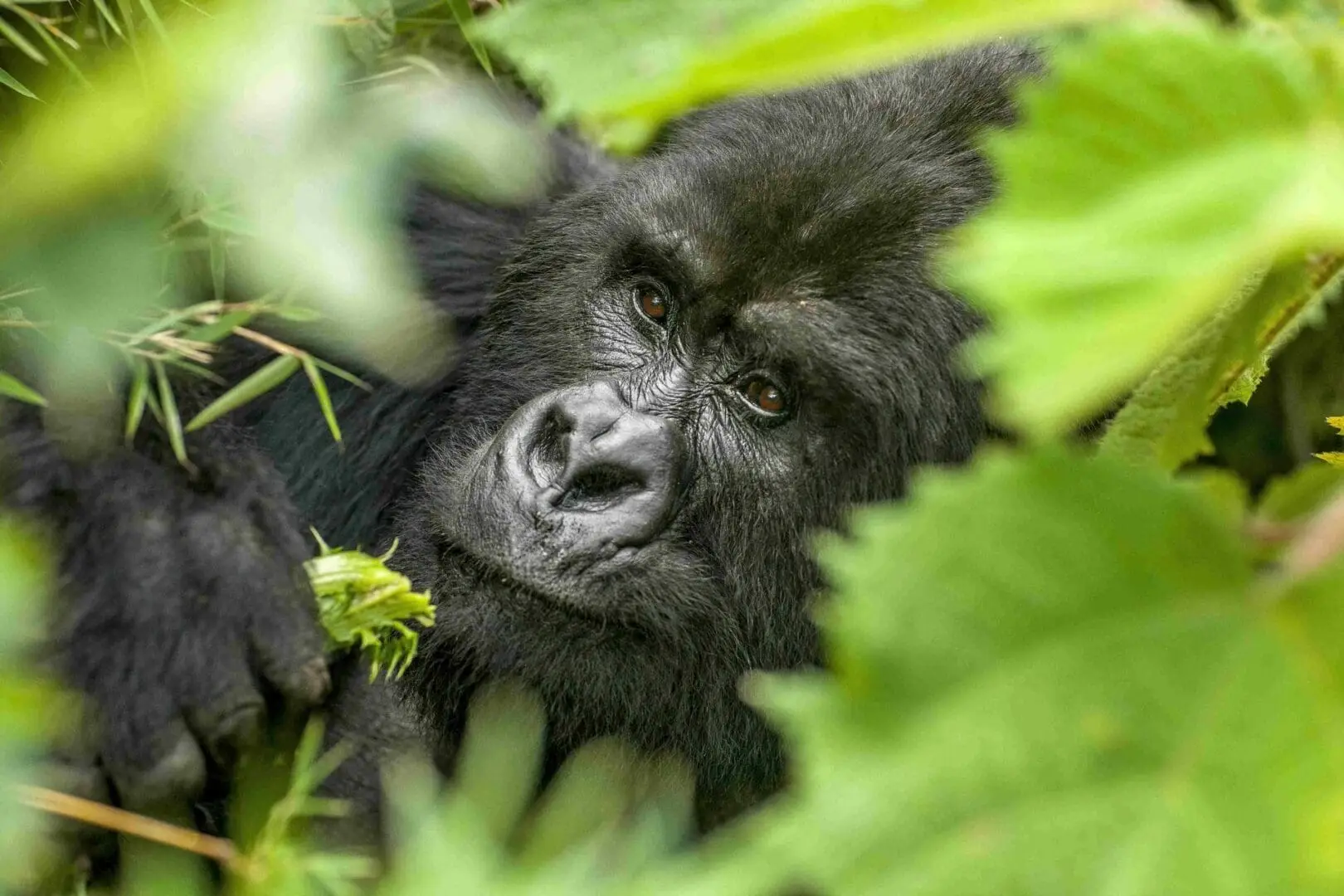
If something is missing
A guest who was in Kigali for a conference booked a one-day gorilla trek at the last minute. He had no hiking boots, no gaiters and no gloves. We told him not to worry. Every morning someone at the park office rents out boots, gaiters, gloves and rain jackets. There is no shop or office, just a person who comes each day for guests who need it, and he trekked in rented kit. It is a fallback, and bringing your own, broken in, is better. We do not lend or sell gear, but we help arrange it through hotels or partners if you have none.
Our 1-day trek from Kigali and 3-day trip suit guests with little time, and our Rwanda safari packages cover the rest. Read the rules in gorilla trekking rules in Rwanda before you go, and the guide to gorilla trekking in Rwanda for the overview. If you wonder whether it is worth the price, see is gorilla trekking in Rwanda worth it, or read about Volcanoes National Park.
Questions guests ask
More short answers are in our Rwanda gorilla trekking FAQs.
Often yes, but tell us before you arrive. We pass your age and health on to the park office on the form we file the evening before, and the park assigns your gorilla family from it. You can ask for an easy or medium trek, but nothing is guaranteed. Doctors are at the park office on the day, and a stretcher or portable seat can be arranged.
No. The minimum age is 15, and the permit costs the same for everyone. Older guests do trek. The park decides the group on the morning from age, health and how many days you have trekked, so no easy or short trek is ever promised. Telling us about your health beforehand helps the park place you well.
Yes, we recommend one in every season. Porters are local community members, hiring one is optional, and the wage is about US$10 a day. Most guests tip US$10 to US$20. A porter carries your backpack and helps on steep or muddy ground, and the work supports the communities around the park.
Only if you arrive from a country with a risk of yellow fever, including if you spend more than 12 hours in transit there. The certificate is a travel rule, not a park rule. Check your own government’s travel advice, and ask us if you are unsure before you book flights.
Sometimes, but it is never guaranteed. Last-minute booking is possible from October to May, mostly from cancellations, which we watch closely with the Rwanda Development Board. June to September sells out quickly. Most guests book 3 to 6 months ahead, so ask us as early as you can. The steps are in how to book a Rwanda gorilla trekking permit.
The park advises you not to trek when you are unwell, and there is no testing. A guest who is unwell can take medication and still trek, or hire the stretcher, but we do not advise trekking when sick. The permit is non-refundable if you do not trek, so travel insurance is advisable. See is gorilla trekking in Rwanda safe.
Related guides
Three guides that go deeper on the walk, the permit and the kit.
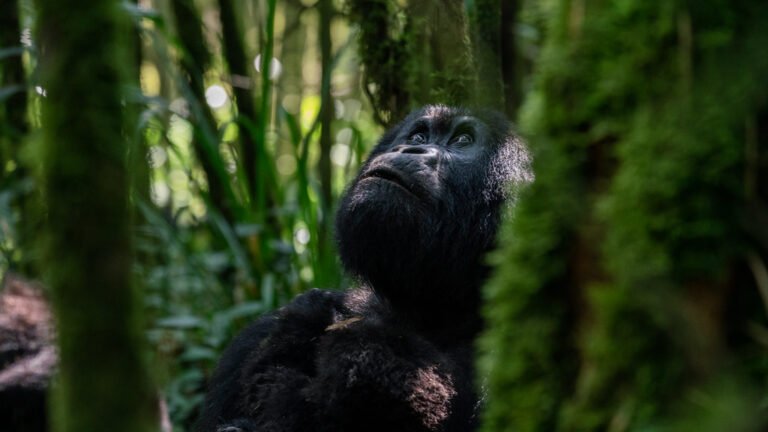 DifficultyHow Difficult Is Gorilla Trekking in Rwanda?How hard the walk is, and what helps if it is too much.
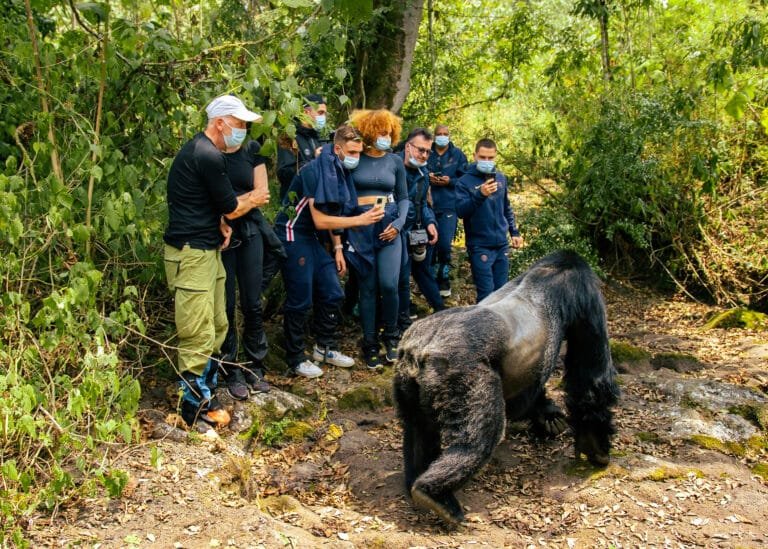 BookingHow to Book a Rwanda Gorilla Trekking PermitSix steps from choosing a date to a confirmed permit.
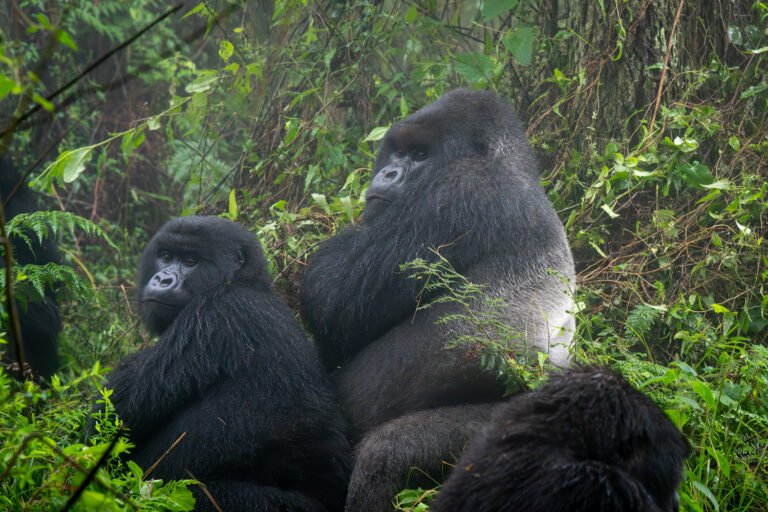 PackingWhat to Pack for Gorilla Trekking in RwandaWhat to wear and carry on trek day, and what to leave behind.
Speak with a safari specialist about your trek
Now you know how to prepare for gorilla trekking in Rwanda. Tell us your dates and group size and we will plan the whole trek around you. You can also reach us on WhatsApp, by email or on +250 788 602 524.

