How Difficult Is Gorilla Trekking in Rwanda? A Guide's Answer
A Rwandan guide on how long the trek takes, why the altitude is the hard part and what makes the day easier.
The short answer
How difficult is gorilla trekking in Rwanda? In my experience it is moderate to hard, not technical. The trek takes 2 to 8 hours, averaging 4 to 5, on steep, often muddy ground that starts at 2,300 to 2,600 meters. Where your family has moved decides your day. Porters, a walking stick and a carried trek help.
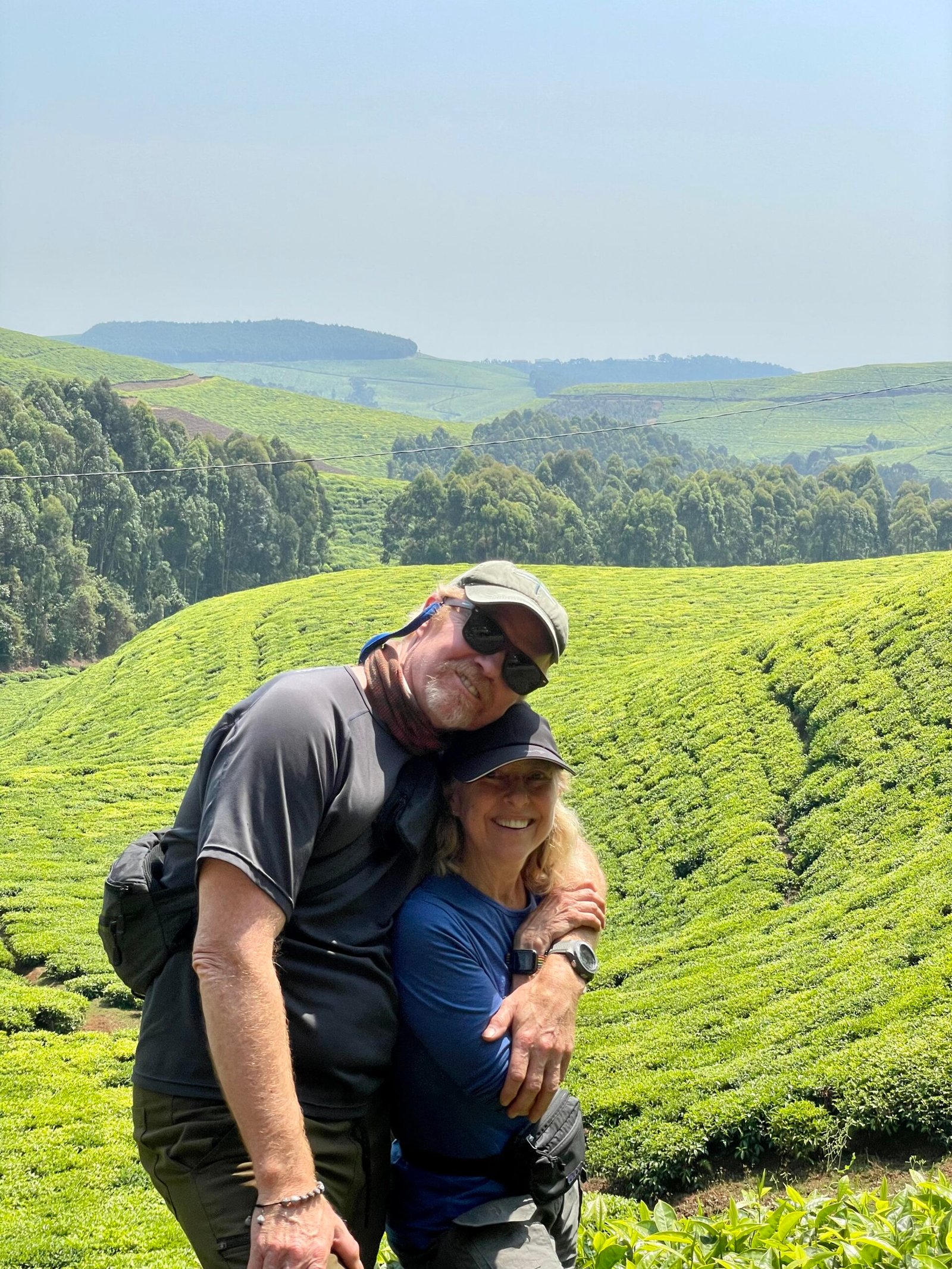
Written by Eric Sabi, Founder and RDB-licensed guide · Updated November 2026
Moderate to hard, and why
I call it moderate to hard. I cannot call it moderate, because the hard days are hard. I cannot call it hard, because on other days the family is close and the walk is gentle. It depends on which family you visit and how it has moved.
The hardest parts are the altitude and the hike itself. The slopes are steep, and in the rain they turn muddy and slippery, mostly on the way down. Even guests who hike often at home find the altitude demanding.
It is not a technical climb. You need no climbing skills, only legs, patience and the willingness to go at your own pace. Porters make the difficult ground much easier to cross. The sections below explain what to expect and what helps, and our gorilla trekking in Rwanda guide covers the full trek day.
If you are weighing the effort against the reward, read is gorilla trekking in Rwanda worth it. To plan the trek itself, see our gorilla trekking Rwanda tours.
What decides the length of your day
The gorillas decide, not the trail. The trackers find your family each morning, and the trek goes to wherever the family has moved. It lasts 2 to 8 hours in all, with 4 to 5 hours as the average. That covers the way up, the hour with the gorillas and the way back. It leaves out the drive from the park office to the trailhead, which takes 25 minutes to almost 2 hours depending on the family.
Three things add to the effort: steep ground with mud and stinging nettles, the altitude and the rain. It can rain in any month, and March to May and October to November are the wettest. When it rains the trail turns slippery, mostly on the way down, and guests without a porter find it much harder. The best time for gorilla trekking shows how the months compare.
No family is permanently easy or hard, and no one can promise you a short trek. Our guide to what happens during gorilla trekking in Rwanda walks through the day from pick-up to return.
The altitude is the part people forget
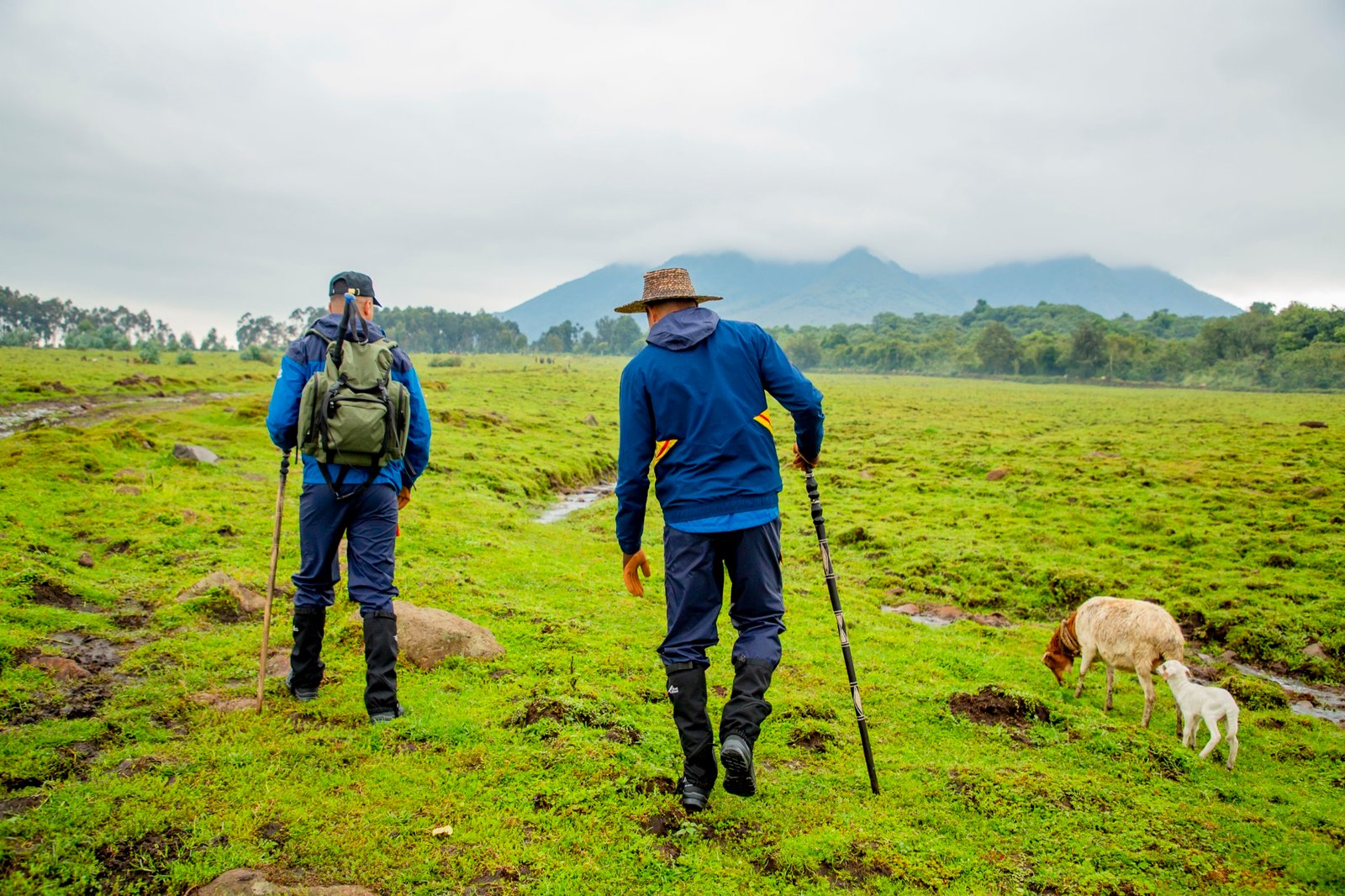
The trek starts at 2,300 to 2,600 meters above sea level, about 7,500 to 8,500 feet, inside Volcanoes National Park. That is high enough to slow many guests, and it surprises people who are used to hiking at lower levels. In my experience, slips and altitude are what go wrong most often, and the nettles are a small problem. See is gorilla trekking in Rwanda safe for the risks in full.
Fit is not the same as ready.
I have guided a very fit guest who exercised a lot and prepared well. In the forest the altitude hit him, and he struggled because he could not understand how someone as fit as he was could find it so hard. The mind needs preparing too.
Slow still arrives.
I have also guided an older guest who was not physically fit. He went at his own pace, slowly and with a porter, and he reached the gorillas without struggling much.
Nothing is promised.
There is no such thing as a guaranteed easy or short trek, so I ask every guest to tell us the truth about their fitness.
Read more about EricEric Sabi, Founder and RDB-licensed guide
How your gorilla family is chosen
The park assigns your family, not your guide, on the morning of the trek, after the permit and passport check. The evening before, our guide files a form with each guest’s fitness, health and requests. The park uses age, health and the number of consecutive treks to decide, and it tends to place guests of a similar age and health in the same group. Older guests tend to get the easier groups. When you are ready to go, our guide to booking a gorilla trekking permit in Rwanda explains the steps.
We tell the park what each guest needs and ask for the most suitable trek. The park does its best, but nothing is guaranteed. That is why I ask for honest answers on the form. Tell us your age, your knees, your hips, your heart and how you feel about altitude. More on how the form works is in our Rwanda safari and gorilla trekking FAQs.
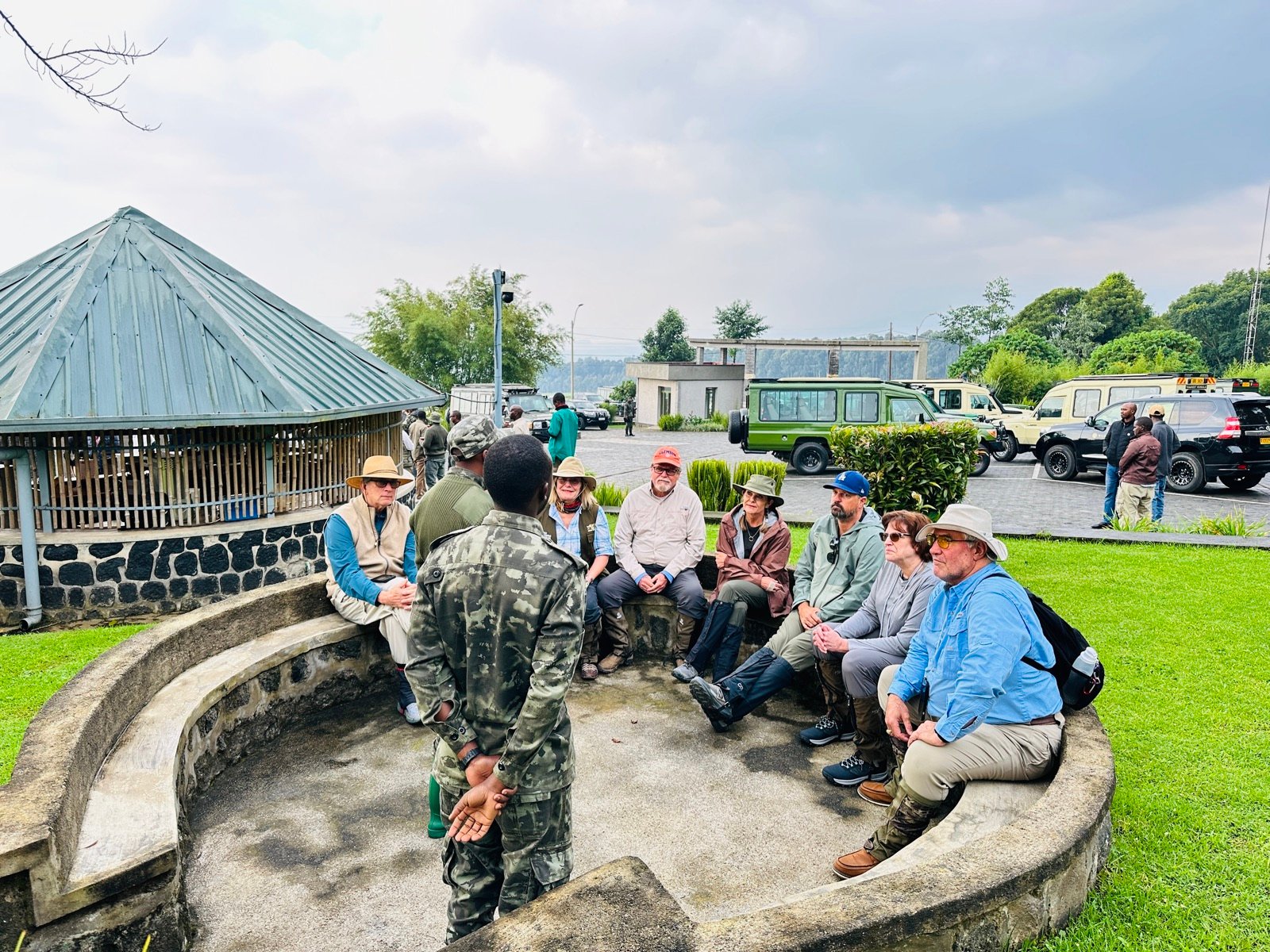
Pace is the other half. The trek is not a marathon and nobody is rewarded for being first. Everyone walks at their own pace, the group stops when someone needs a break or a drink of water, and you all reach the gorillas together.
Ways to make the trek easier
Four options exist, and you can combine them. Tell us before you arrive so we can arrange them for you.
| Option | What it is | Cost (US$) | How to arrange it |
|---|---|---|---|
| Walking stick | A stick for steep ground and the descent, handed out at the trailhead | Free | Collect it at the trailhead |
| Porter | A local community member who helps you across steep and muddy ground, especially in the rain | About US$10 a day (wage); most guests tip US$10 to US$20, optional | Hire is optional; I recommend one in every season, and it supports the communities around the park |
| Portable seat | A seat the porters carry so you can sit and watch the gorillas | Ask us when you inquire | Arranged with the porters; not guaranteed |
| Carried trek | A rescue stretcher carried by a team of 8 porters, to the gorillas and back | US$200 per guest | Arranged in advance, at the evening briefing or on the morning of the trek |
The walking stick helps most on the steep sections and the way down, in the rainy months and the dry ones. It acts like a third hand. If you may need oxygen, tell us and we ask the park office to arrange a doctor to go with you. Porters and the carried trek are extras, listed with the other extras in how much gorilla trekking in Rwanda costs, and the Rwanda safari cost guide covers every trip length. For what else to bring, see what to pack for gorilla trekking in Rwanda.
Who finds it hardest
It is not always who you expect. Fitness helps, but the altitude and the mind catch out guests of every level.
Older travelers. There is no upper age limit, and age on its own is not a reason to skip. We share your age and health with the park, which assigns the trek accordingly, and nothing is guaranteed. A porter, a portable seat or the carried trek can make the day much easier.
Knees, hips and heart. Tell us about replacements, heart conditions and other health issues when you inquire. We pass them to the park, and we can arrange the options above before you reach the forest. Our complete trek guide for gorilla trekking in Rwanda has more on older guests and porters.
Teenagers. The minimum age is 15, and the permit costs the same at every age, with no child rate. A 15-year-old walks at their own pace like everyone else, and the trail is steep and high, so tell us the ages in your group. See our family luxury Rwanda safaris for trips with mixed ages.
If the day is too much. Most guests choose their option ahead of time, so surprises on the trail are rare. A rescue stretcher can sometimes be called to a guest on the trail, but it depends on how far they have trekked. After about 4 hours the team has a long way to come, which makes it much harder, while within about 30 minutes to 1 hour of the start it is easier. We cannot guarantee it and we do not recommend relying on it, so we arrange the carried trek ahead of time.
Getting ready, and how Uganda compares
I tell guests to train at their own pace, not as if they were running a marathon. Walk and hike so your legs are used to being outdoors, and prepare yourself for a long day. Our guide to preparing for gorilla trekking in Rwanda has the longer plan.
Good gear helps as much as fitness: hiking boots, long sleeves, long trousers, gaiters, a rain jacket and garden gloves. Leave the big telephoto lens at the lodge, and bring a spare battery for your phone. I recommend arriving a day early, so you are rested and have time to adjust before the trek. We provide drinking water in reusable bottles, and one liter is usually enough.
Rwanda or Uganda? In my experience the Bwindi trek is harder than Volcanoes National Park, because of its dense, impenetrable vegetation, steep and rugged ground and the lack of formal trails. That is one reason I send young, adventurous guests to Uganda, and I have advised older guests who compared the two and chose Rwanda. We arrange Uganda gorilla trips too. The full decision is in Rwanda vs Uganda gorilla trekking.
If the effort worries you, a 3-day trip is a calmer way to do it. In my experience it gives more activities, flexible plans and smooth transfers, with no time pressure, and our 3 day gorilla trek shows how it works. For a slower, supported trip, see our luxury Rwanda safaris and Rwanda safari packages.
Gorilla trekking difficulty questions
More answers are in our Rwanda safari and gorilla trekking FAQs.
Yes. There is no upper age limit, and age on its own is not a reason to skip. We tell the park about your age, knees, hips and any heart condition the evening before, and the park assigns your family from that, though nothing is guaranteed. A porter, a portable seat or a carried trek can make the day easier. Tell us when you inquire, and see our gorilla trekking in Rwanda guide.
Yes. A team of 8 porters carries you on a rescue stretcher to the gorillas and back for US$200 per guest. Arrange it in advance, at the evening briefing or on the morning of the trek. If you may need oxygen, tell us and we ask the park office to arrange a doctor to accompany you. The table above shows every option.
Tiredness is normal, and the group stops for water and rest, because everyone walks at their own pace. Tell your guide as soon as you start to struggle. A rescue stretcher can sometimes be called to you on the trail, but we cannot guarantee it and we do not recommend relying on it. The farther you are, the harder it is. Arrange the carried trek ahead of time.
Yes, from age 15. The permit costs the same at every age, with no child rate. A teenager walks at their own pace like everyone else in the group, and the trail is steep and high, so tell us the ages in your group and any health concern. A porter is worth hiring in every season. See family luxury Rwanda safaris.
Train at your own pace, not like a marathon. Walk and hike so your legs are used to being outdoors, and prepare yourself for a long day. Bring hiking boots, a rain jacket, garden gloves and gaiters. Arriving a day early helps you rest and adjust before the trek. Our guide to preparing for gorilla trekking in Rwanda has the longer plan.
Yes. Rain makes the trail muddy and slippery, mostly on the way down, and guests without a porter find it much harder. A walking stick helps in every season, and I recommend a porter in every season too. March to May and October to November are the wettest months. The best time for gorilla trekking compares the months.
Related guides
Three guides to read next as you decide.
Speak with a safari specialist about the trek and your fitness
Tell us your dates, your age and any health concern, and we will tell you honestly which trek and trip fit. You can also reach us on WhatsApp, by email or on +250 788 602 524.