Is Gorilla Trekking in Rwanda Worth It? An Honest Guide
A Rwandan guide’s answer on what the US$1,500 permit buys, where it can disappoint and who should skip it.
The short answer
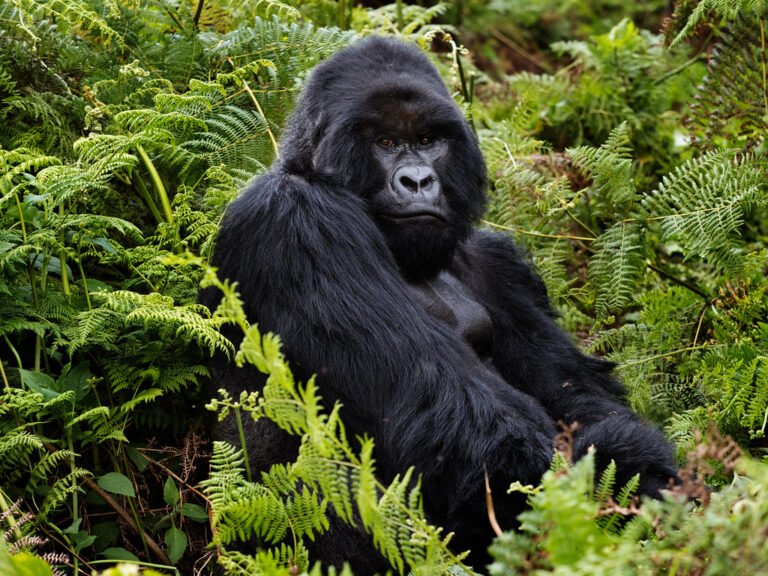
Is gorilla trekking in Rwanda worth it? Yes, for most travelers it is worth the US$1,500 permit. You spend one hour with a wild mountain gorilla family in Volcanoes National Park, found first by trackers. It is not worth it if primates do not interest you or the permit price is more than you want to spend.
Written by Eric Sabi, Founder and RDB-licensed guide · Updated November 2026
What the US$1,500 permit pays for
The gorilla permit costs US$1,500 per person for an international visitor. The Rwanda Development Board sets the price, and it stays at US$1,500 in 2027. Whether that is worth it depends on what the money buys, so here is the list.
You get a place in a group of up to 8 with one habituated gorilla family in Volcanoes National Park, for one hour. Rangers and trackers lead the trek, and the trackers find the family before you set out. The park issues 96 permits a day. It has 24 gorilla families, and 12 of them are visited by guests each day.
| Item | What it is | What it means for you |
|---|---|---|
| A place with one gorilla family | One hour with a habituated family in Volcanoes National Park | Time with the gorillas, in the forest where they live |
| A small group | Up to 8 visitors per family, at least 7 meters from the gorillas | A quiet encounter, not a crowd |
| Rangers and trackers | They lead the trek, and the trackers find the family before you set out | Seeing the gorillas is close to certain, but never guaranteed |
| A daily limit | 96 permits a day, with 12 of the park's 24 families visited each day | Popular dates sell out, so book early |
| Local jobs | The permit supports jobs for people who live near the park | Your visit supports the people who work beside the gorillas |
| A community share | 10% of tourism revenues goes back to the community | Part of what you pay returns to the people beside the gorillas |
When guests ask me where the money goes, I tell them two things. The permit supports jobs for local people, and 10% of tourism revenues goes back to the communities around the park, for example for roads, hospitals, schools and direct community projects.
A permit on its own covers your place in the park, not a lodge or a vehicle, and it is non-refundable once bought. What a whole trip costs is in how much gorilla trekking in Rwanda costs, and the Rwanda safari cost guide has every trip length and level.
The hour with the gorillas
The hour comes at the end of a trek that lasts 2 to 8 hours in all, with 4 to 5 hours as the average. That covers the way up, the hour with the gorillas and the way back. It leaves out the drive from the park office to the trailhead, which takes 25 minutes to almost 2 hours depending on the family.
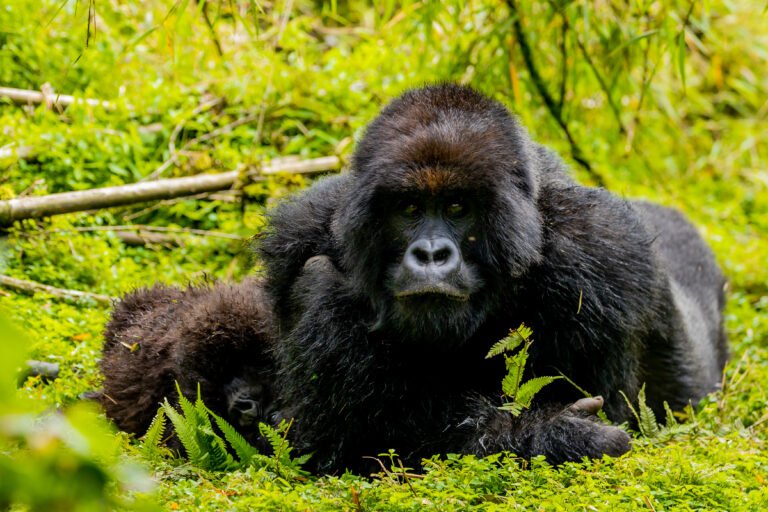
Once the trackers have located the family, you go in with the rangers. You stay at least 7 meters away, wear a mask while you are with the gorillas and use no flash. Sometimes a gorilla walks toward the group, and a juvenile may touch your shoes or trousers. If that happens, you stay still.
Most guests are picked up from their lodge at about 6:30 am, and most are back between 1:00 and 3:30 pm. The full day is in what happens during gorilla trekking in Rwanda, and our gorilla trekking in Rwanda guide covers the rules and preparation. Our preparation checklist for gorilla trekking in Rwanda lists what to sort out before that morning.
One hour is enough, and it goes fast.
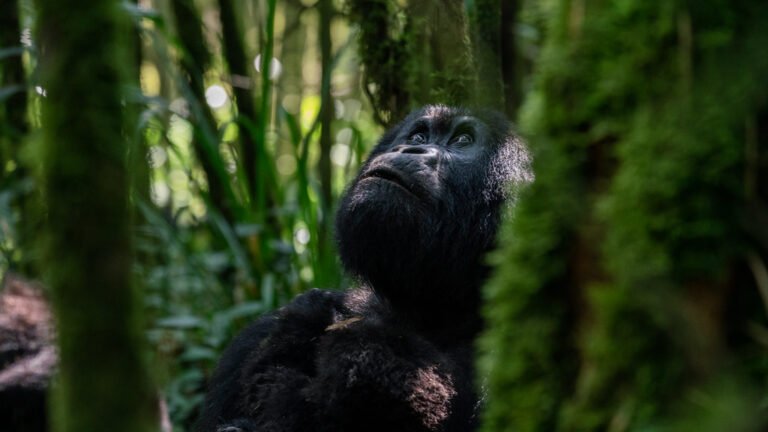
In my experience one hour is enough with the gorillas. It also passes quickly, and many guests are surprised how fast it ends.
The hike and the altitude disappoint more than the gorillas.
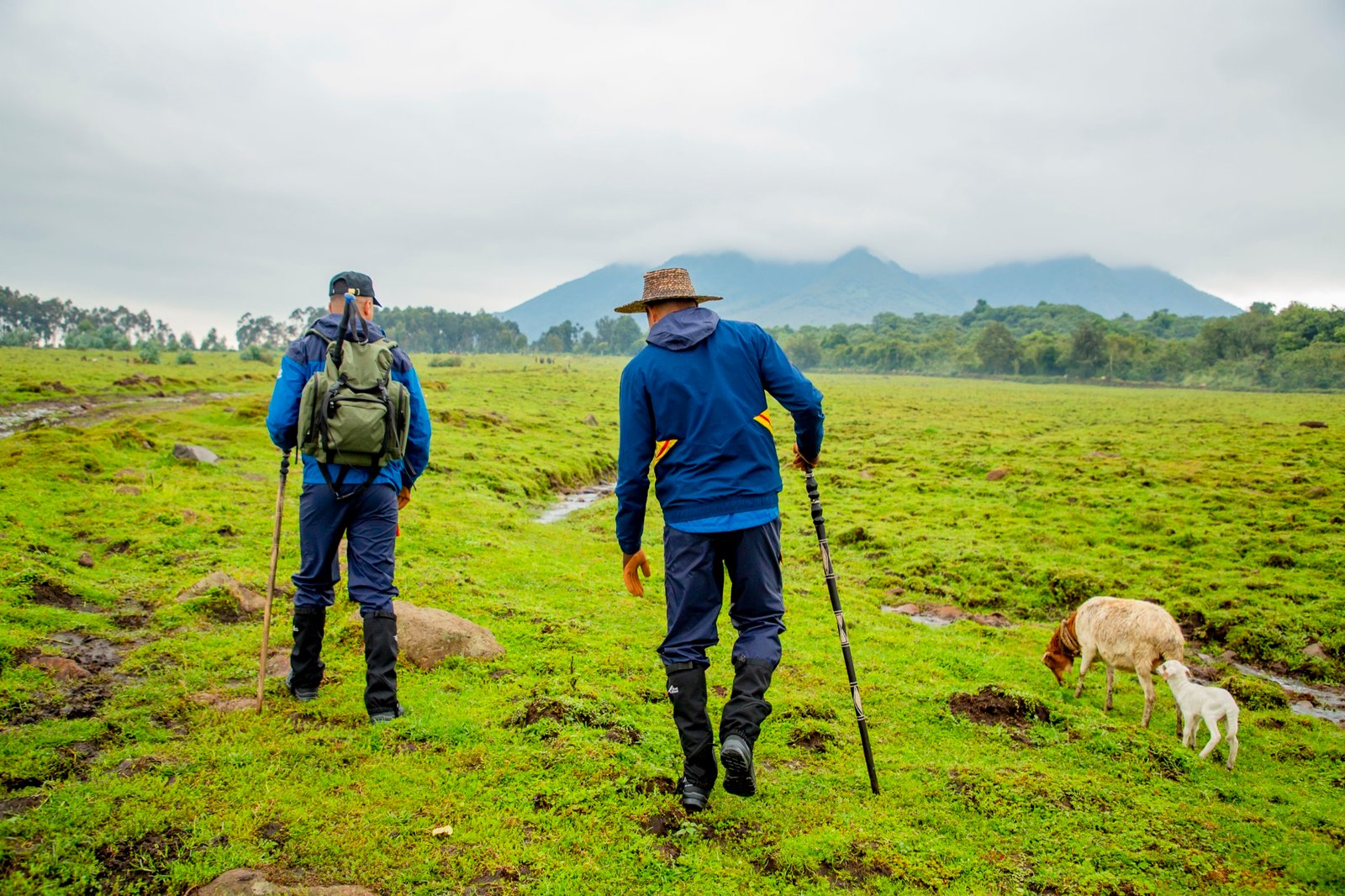
What guests find hardest is the hike and the altitude, not the hour itself. Treks start at 2,300 to 2,600 meters above sea level.
Not waiting was the right call.
A guest aged 65 told me he was glad he had not waited. He did not think he could have managed the trek five years later, at 70.
Read more about EricEric Sabi, Founder and RDB-licensed guide
Where it can disappoint
Most worth-it posts skip this part. These are the points that disappoint guests, and what I tell them in advance.
- The hour is one hour. It is a park rule, and it does not stretch. The hike is longer than the encounter.
- The hike. It runs from 2 to 8 hours, and how hard your day is depends on where your family has moved. The park assigns your family on the morning, using age, health and the number of consecutive treks, and nothing is guaranteed. No family is permanently easy or hard. Our guide to how difficult gorilla trekking in Rwanda is explains how it works.
- The weather. It can rain in any month. March to May and October to November are the wet months, and slips are most common then. I cannot promise a dry trail, and the best time for gorilla trekking covers the seasons.
- Seeing the gorillas. No official research exists on sighting rates. In my experience it is close to certain, because the trackers find the families first, but it is never a guarantee.
- Being unwell. The park advises you not to trek if you feel unwell, and we do not advise it either. A guest who is unwell can take medication and still trek, or hire the stretcher, but a permit is non-refundable if you do not trek. Travel insurance is strongly recommended. See Rwanda safari and gorilla trekking FAQs for the rules.
Safety has its own guide: is gorilla trekking in Rwanda safe.

Who should go, and who should skip
Go if you
- want an hour with wild mountain gorillas and the effort of getting there does not put you off
- can manage a forest hike at altitude, or are happy to arrange a porter, a carried trek or a portable seat
- would rather see one species well than many species briefly
Skip it if
- primates are not what you are traveling for. That is the first guest I would talk out of a gorilla trek
- the permit price is more than you want to spend. US$1,500 for one hour is a real sum
Older travelers
Age on its own is not a reason to skip. I have taken a group in their 70s and 80s on the trek. They came out of the forest at about 5 pm, and most of them cancelled the golden monkey trek the next day. I once advised an older guest who was comparing Rwanda with Uganda, and he chose Rwanda. Tell us your age and health when you inquire. We share both with the park before it assigns your family, and a stretcher carry (US$200 per guest, a team of 8 porters, arranged in advance) or a portable seat can be arranged.
Is Uganda the better value?
For some guests, yes. I send young, adventurous travelers and anyone for whom the permit price decides it to Uganda. The Uganda permit is US$800 per person, set by the Uganda Wildlife Authority and checked in November 2026. Rates can change. That is a little over half the Rwanda permit. In my experience the Bwindi trek is harder and the drives are longer. We arrange Uganda gorilla trips too. The full comparison is in Rwanda vs Uganda gorilla trekking.
Is a gorilla trek worth more than a game drive?
A gorilla day and a classic safari day pay you back in different ways, so they are hard to weigh on one scale. A gorilla trek is one species, one hour and a morning of effort. A game drive day spreads your attention across many animals. Akagera is Rwanda’s only savannah park, and all five of the Big Five live there, though sightings are never guaranteed. See Akagera National Park.
Many guests do not choose between them. Our 5 to 7 day trips usually cover two national parks, with the gorillas in Volcanoes and a second park for wildlife. Our luxury Rwanda safaris and Rwanda safari packages show how the two fit together.
How to get the most from the money
Split the hour
Spend the first 20 to 30 minutes on photos, then put the phone away and watch. Use no flash, and leave the big telephoto lens at the lodge.
Choose the right trip length
A 1-day trek from Kigali starts at US$1,950 per person sharing, with the permit included. It suits a guest in Kigali for a conference with one day free. In my experience a 3-day trip, from US$3,460 per person for two sharing, gives more activities, flexible plans and smooth transfers with no time pressure. See the 1 day gorilla trek from Kigali, the 3 day gorilla trek and our short Rwanda safaris.
Book early
Book 3 to 6 months ahead, and earlier for June to September and December to February. How to book a Rwanda gorilla permit walks through the steps.
Hire a porter
I recommend a porter in every season. Porters are local community members, the wage is about US$10 a day, and most guests tip US$10 to US$20. Tipping is never required.
Add a second stop
From November to May the permit is US$1,050 if your trip includes at least 2 nights in Akagera or Nyungwe. The cost guide explains how it works. To plan the trek with a specialist, see our gorilla trekking Rwanda tours.
Is gorilla trekking in Rwanda worth it? Your questions answered
More answers are in our Rwanda safari and gorilla trekking FAQs.
It can be, with planning. Treks last 2 to 8 hours and start at 2,300 to 2,600 meters, so tell us your age, health and fitness when you inquire. We share them with the park, which assigns your family on the morning, and nothing is guaranteed. A porter helps on the trail, a carried trek by stretcher is US$200 per guest, and a portable seat can be arranged. See how difficult gorilla trekking in Rwanda is.
No official research exists on sighting rates. In our experience seeing the gorillas is close to certain, because trackers locate the families before the group sets out, but we never call it a guarantee. The park assigns your family on the morning, and the hike can be short or long. If this worries you, speak with a safari specialist before you book.
From November to May the Rwanda permit is US$1,050 instead of US$1,500, if your trip includes at least 2 nights in Akagera or Nyungwe. Uganda charges US$800 per person, set by the Uganda Wildlife Authority and checked in November 2026, and rates can change. See Rwanda vs Uganda gorilla trekking and the Rwanda safari cost guide for the full table.
It can be, if time is short. The trek leaves Kigali at 4:30 am, takes about 2.5 hours each way and usually returns around 6 to 7 pm, from US$1,950 per person sharing with the permit included. It suits a guest in Kigali with one free day. It is not right for a guest with an early evening flight the same day. In my experience a 3-day trip gives more time and less rush.
No. Gorilla permits are non-refundable once purchased. The park advises you not to trek if you are unwell, and we do not advise it either, but a guest who is unwell can take medication and still trek, or hire the stretcher. A date change costs 20% of the permit fee if the request reaches us at least 7 days before the trek. Travel insurance is strongly recommended. See our Booking Policy.
The minimum age is 15, and the permit costs the same at every age, with no child rate. Older guests do trek. We share age and health details with the park, which assigns the family on the morning, and nothing is guaranteed. A porter, a carried trek or a portable seat can be arranged for guests who need support. Short answers are in our Rwanda safari and gorilla trekking FAQs.
Related guides
Three guides to read next as you decide.
Speak with a safari specialist about whether a gorilla trek is right for you
Tell us your dates and how fit you are, and we will tell you honestly which trek and trip fit. You can also reach us on WhatsApp, by email or on +250 788 602 524.