
Rwanda Safari Packing List: What to Pack by Park
A Rwandan guide on what goes in the bag for Kigali, the volcanoes, Nyungwe, Lake Kivu and Akagera, and what to leave at home
The short answer
A Rwanda safari packing list is short. Bring one soft or hard bag plus a backpack, about 3 days of clothes because lodges do laundry, boots and a rain jacket, a warm layer for cool mornings, and your documents. Rules apply to plastic bags, vapes, camouflage and drones.
Written by Eric Sabi, Founder and RDB-licensed guide · Updated November 2026
Your Rwanda safari packing list starts with the bag
A good Rwanda safari packing list starts with the bags. Most of my guests bring a soft duffel and a backpack. Some bring a hard case and a backpack, and some bring all three. It depends on how many days they have, how many countries they are visiting and whether they carry school supplies to give out. Any of them works, because you travel between parks in a private vehicle with room for the bags.
You need less than you think. Hotels and lodges in Rwanda have laundry, and they usually return it the same day or the next, depending on how busy they are. Some charge and some do not, so ask when you check in. That is why about 3 days of clothes is enough for a week or more. If you are still choosing a trip, see our Rwanda safari packages.
What to wear: layers that dry quickly
Pack in layers. Mornings and evenings are cool, and days can be warm or wet, so a few light layers you can add or remove work better than one heavy coat.
- Tops: two long-sleeved shirts for the forest and the sun, and a few short-sleeved shirts for the lodge and for Akagera. Quick-dry fabric dries faster than cotton in the damp forest.
- Bottoms: two pairs of long trousers that you can walk in, and one pair of shorts for the lodge and the boat. Leave the jeans at home, because they stay wet.
- Warm layer: one fleece or light jacket for early starts and evenings.
- Shoes: boots for the forest, and comfortable closed shoes for everything else.
- Rain jacket: it goes in the bag every time, because it can rain in any month.
- Sun: a hat, sunglasses and sunscreen.
- Colours: neutral colours are the usual safari advice. There is no rule on colour except camouflage, which is not allowed in Rwanda.
Pack by park: what changes on your Rwanda safari
Rwanda is small, but the places feel different. This is what changes in each one on your Rwanda safari packing list.
| Place | What to wear and bring |
|---|---|
| Kigali | Modest, smart-casual clothes. At the Kigali Genocide Memorial we do not recommend shorts, because it is a place of remembrance and respect. |
| Volcanoes National Park | Boots, gaiters, long sleeves and long trousers, a rain jacket, garden gloves and a warm layer for the start. See the trek-day kit guide. |
| Nyungwe National Park | The same kit as Volcanoes National Park. |
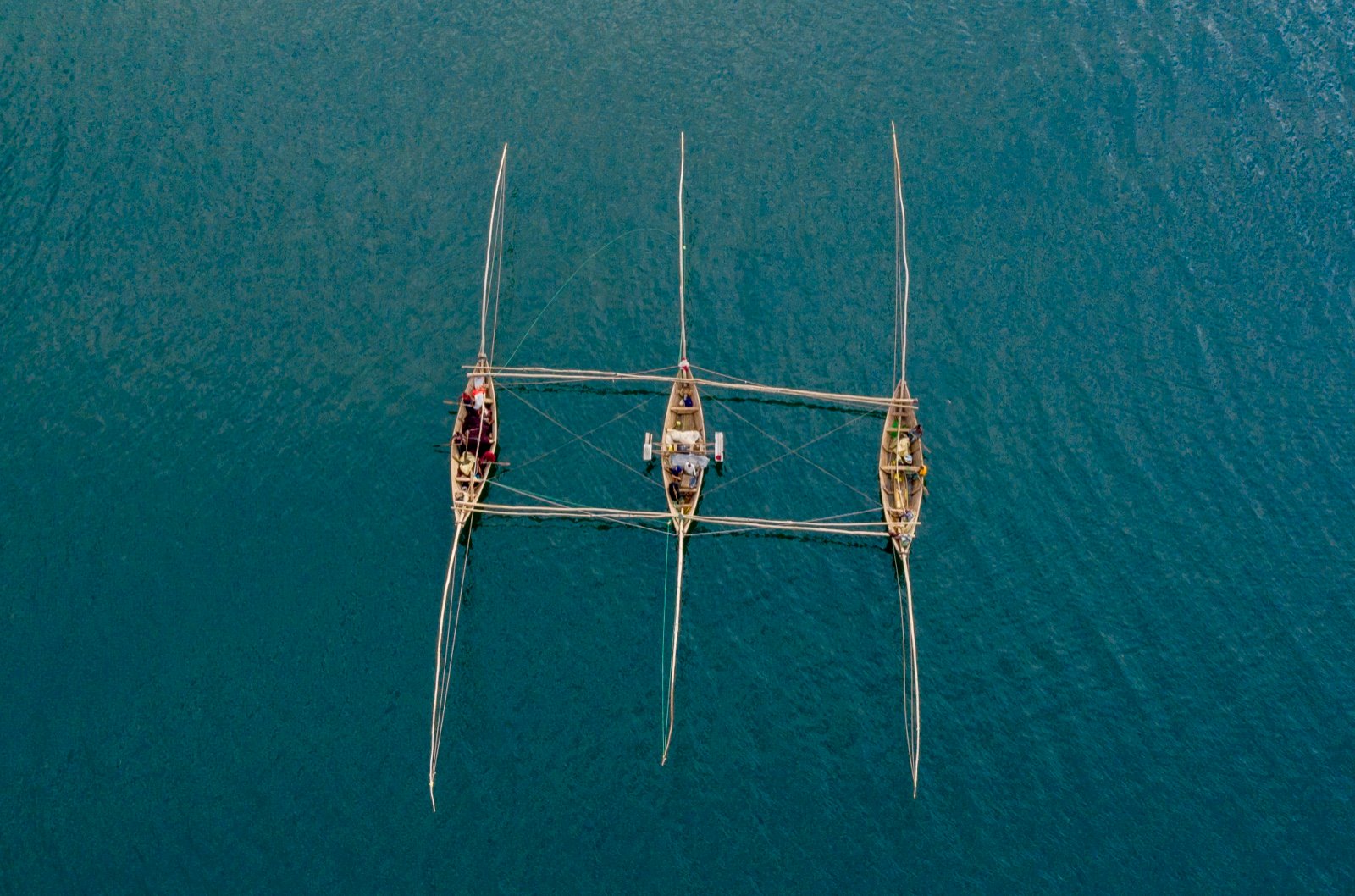
| Lake Kivu | Swimwear for the lake or the hotel pool. On the boat most guests wear shorts. |
| Akagera National Park | The same clothes as on any safari. In the dry season it is hot and sunny by day and a bit chilly at night, so bring a hat, sunscreen and a warm layer. |
Wet season or dry season: what changes
I tell guests to pack the same things in every season. Some items just go unused. It can rain in the dry season, and it can be sunny in the rainy season, so the rain jacket and the sunscreen both stay in the bag. In the rainy season the ground is muddier, so gaiters and a porter matter more on the trek.
Months and weather are in our best time for gorilla trekking guide and our seasonal guide to Rwanda.
Documents, money and health
Check these before you pay for flights:
- Passport: valid for at least six months.
- Visa: US$50 for a single entry, on arrival or online. Citizens of African Union, Commonwealth and Francophonie countries get a free 30-day visa. The East Africa Tourist Visa costs US$100 and covers Rwanda, Uganda and Kenya for 90 days.
- Yellow fever: a certificate is needed only if you arrive from a country with a risk of yellow fever, including more than 12 hours in transit there.
- Travel insurance: it is always excluded from our packages, so buy it yourself.
- Medicines: bring your own prescriptions in their original packaging, with a small first-aid kit.
- Cash: tipping is never required. A park guide is usually given US$30 or more, trackers US$10 to US$20 each and porters US$10 to US$20. The full list is in our Rwanda safari cost guide.
More answers on visas and plugs are on our gorilla trekking FAQ page.
Electronics, plugs and cameras
Rwanda uses plug types C and J, at 230 volts and 50 hertz. Bring the right adapter, and a power bank for long days.
For the gorillas, leave the telephoto lens at home. You stay at least 7 meters away, and the gorillas sometimes come closer, so a long lens has nothing to do. Flash is not allowed. The details are in the guide to what to pack for gorilla trekking in Rwanda.
What is not allowed in Rwanda
Four things do not belong on any Rwanda safari packing list, because they are not allowed:
- Plastic bags. They are banned. At the airport, guests are asked to take their belongings out of plastic bags and leave the bags there. Bring cloth or reusable bags.
- Vapes. They are not allowed in Rwanda.
- Camouflage clothing. It is not allowed either.
- Drones. They need permission from the Rwanda Civil Aviation Authority, and you must apply ahead of time.
Not worth bringing: jeans, brand-new boots you have not walked in, and a telephoto lens for the gorillas.
If you take a helicopter
Most of our trips go by road, with a private driver-guide. Some guests fly by helicopter instead, for example with Akagera Aviation, a Rwanda-based helicopter company that flies to Musanze, Nyungwe and Akagera National Park. Luggage space and weight are tight, and the limit depends on the helicopter you choose. We then arrange a luggage car to carry your bags by road, so you only take a small bag on board. Tell us before you travel.
You can see our helicopter options on our ultra luxury Rwanda safari page.

The gorilla trek: five things to bring
For gorilla trekking, bring hiking boots, gaiters, a long-sleeved shirt and long trousers, a rain jacket and garden gloves. The full trek-day kit, what goes in the daypack and what the porter carries are in our guide to what to pack for gorilla trekking in Rwanda.
If you want to know how to get ready, see how to prepare for gorilla trekking in Rwanda, how difficult the trek is and what happens on the day. Our complete gorilla trekking guide covers the rest, and the gorilla trekking safaris are on the money page.
Forgotten something or lost your luggage?
We tell guests to bring everything they need. If you forget something or your luggage is lost, we recommend places in Kigali where you can buy the necessities. We do not lend or sell gear ourselves, but we can help arrange rentals through hotels and partners for the gorilla trek.
School supplies for local communities
Bringing school supplies is not mandatory. If you do, we help you deliver them to schools or local communities. Tell us before you travel so we can plan the stop.
Any season
We tell guests to pack the same things whatever the month. Some items may go unused, because it can rain in the dry season and be sunny in the rainy season.
Laundry
Hotels and lodges have laundry and return it the same day or the next, so 3 days of clothes is enough for most trips.
Kigali
Dress modestly in the city. At the Kigali Genocide Memorial we do not recommend shorts, because it is a place of remembrance and respect.
Questions about packing for Rwanda
More short answers are in our Rwanda gorilla trekking FAQs.
Bring a soft or hard bag plus a backpack, about 3 days of clothes, long sleeves and trousers, a rain jacket, a warm layer, boots, sunscreen and a hat. Lodges do laundry. Add your passport, visa details and an adapter for plug types C and J. Leave plastic bags and vapes at home.
Bring what suits your trip: a soft duffel and a backpack, or a hard case and a backpack. Lodges do laundry, so 3 days of clothes is enough. If you fly by helicopter, space and weight are tight and depend on the helicopter, so we send your luggage by road in a luggage car and you take a small bag.
Drones need permission from the Rwanda Civil Aviation Authority, and you must apply ahead of time. Do not travel with a drone unless you have that permission. Vapes and camouflage clothing are not allowed in Rwanda either, so leave them at home.
Wear modest, smart-casual clothes. At the Kigali Genocide Memorial we do not recommend shorts, because it is a place of remembrance and respect. For the evenings in the city, a light layer is enough, and comfortable shoes help for the walking.
Yes. Hotels and lodges have laundry, and they usually return it the same day or the next day, depending on how busy they are. Some charge and some do not, so ask when you arrive. That is why we suggest about 3 days of clothes.
Tell your guide. We recommend places in Kigali where you can buy the necessities, and we can help arrange rented gear for the gorilla trek through hotels or partners. We do not lend or sell gear ourselves, but we do help you find it quickly.
More Rwanda planning guides
Three guides to read next: the trek-day kit, how to prepare and the best months to go.


Speak with a safari specialist about your trip
Now you know what to pack for a Rwanda safari. Tell us your dates and how many parks you want to visit and we will plan the whole trip around you. You can also reach us on WhatsApp, by email or on +250 788 602 524.


