
Overview of Gishwati Mukura National Park
The Gishwati Mukura National Park was formally established in 2015 to protect two ancient forests. It consists of the larger Gishwati Forest and the smaller Mukura Forest. In 2020, UNESCO named it a World Biosphere Reserve. This status honors its importance to global ecological research and sustainability.
Historically, these forests were once nearly lost to deforestation. However, the “Forest of Hope” initiative successfully restored the ecosystem. Today, it is a thriving home for chimpanzees and endemic birds. Visitors here enjoy a peaceful, uncrowded alternative to more famous parks.
Things To Do in Gishwati Mukura National Park
Chimpanzee Trekking: Track a community of semi-habituated Eastern Chimpanzees in Gishwati Mukura National Park. It is an intimate experience with limited daily permits.
Golden Monkey Trekking: Spot these playful, orange-coated primates in the bamboo thickets. They are endemic to the Albertine Rift.
Forest Birdwatching: Gishwati Mukura National Park is a birds paradise with over over 230 bird species. These include the Rwenzori Turaco and the Grey Crowned Crane.
Guided Nature Walks: Traverse well-maintained trails through ancient mahogany trees. Your guide will share secrets of local flora and fauna.
Waterfall Hikes: Hiking to scenic waterfalls such as Kazeneza Falls rewards visitors with breathtaking views and refreshing forest air.
- Community & Cultural Visits:
Nearby community-based activities include farm stays, traditional dance, handicraft making, beekeeping, and tea plantation tours. These experiences offer insight into rural life and ecological stewardship.
Top Attractions in Gishwati Mukura Forest National Park
Kazeneza Waterfall
Most notably, the Kazeneza Waterfall is the Gishwati Mukura forest National park’s crown jewel. This powerful cascade is located deep within the Gishwati sector. To reach it, you will hike through dense, primeval forest. Furthermore, the mist from the falls creates a refreshing microclimate for rare ferns and orchids.
The Forest of Hope Guest House
In addition, the Forest of Hope Guest House offers a unique immersion. It serves as both a research center and a community-owned lodge. Staying here allows you to see conservation in action. Consequently, your visit directly funds the rangers who protect the resident chimpanzee families.
The Congo-Nile Divide Ridge
Gishwati Mukura National Park sits along the famous Congo-Nile Basin ridge. This geographic landmark offers breathtaking panoramic views. On a clear day, you can see Lake Kivu in the distance. Moreover, the ridge serves as a vital water catchment area for the entire region.
Community Tea Plantations
Moving to the Gishwati Mukura Forest National Park borders, you will find vast, emerald-green tea estates. These plantations offer a beautiful contrast to the wild forest. Travelers can join a “crop to cup” tour with local farmers. Therefore, you can learn how Rwanda produces some of the world’s finest highland tea.
Planning Your Visit to Gishwati Mukura National Forest Park
Best Time to Visit: The dry seasons are June to September and December to February. During these months, the forest trails are drier and easier to navigate. However, birdwatching is spectacular during the rainy season when trees are in bloom.
What to Pack: You will need sturdy, waterproof hiking boots. Pack a light rain jacket, even during the dry season. In addition, bring insect repellent and a high-quality camera with a zoom lens.
Getting There: The park is a 4-hour drive from Kigali. It is also conveniently located near Rubavu and Lake Kivu. We recommend a 4×4 vehicle for the scenic, winding roads.
Where to Stay:
Accommodation options remain limited due to the park’s recent establishment. The Forest of Hope Guest House offers comfortable stays, and additional nearby lodges in adjacent regions provide alternatives
For complete itineraries combining Volcanoes National Park with other top destinations, explore our curated Rwanda Safari Packages.
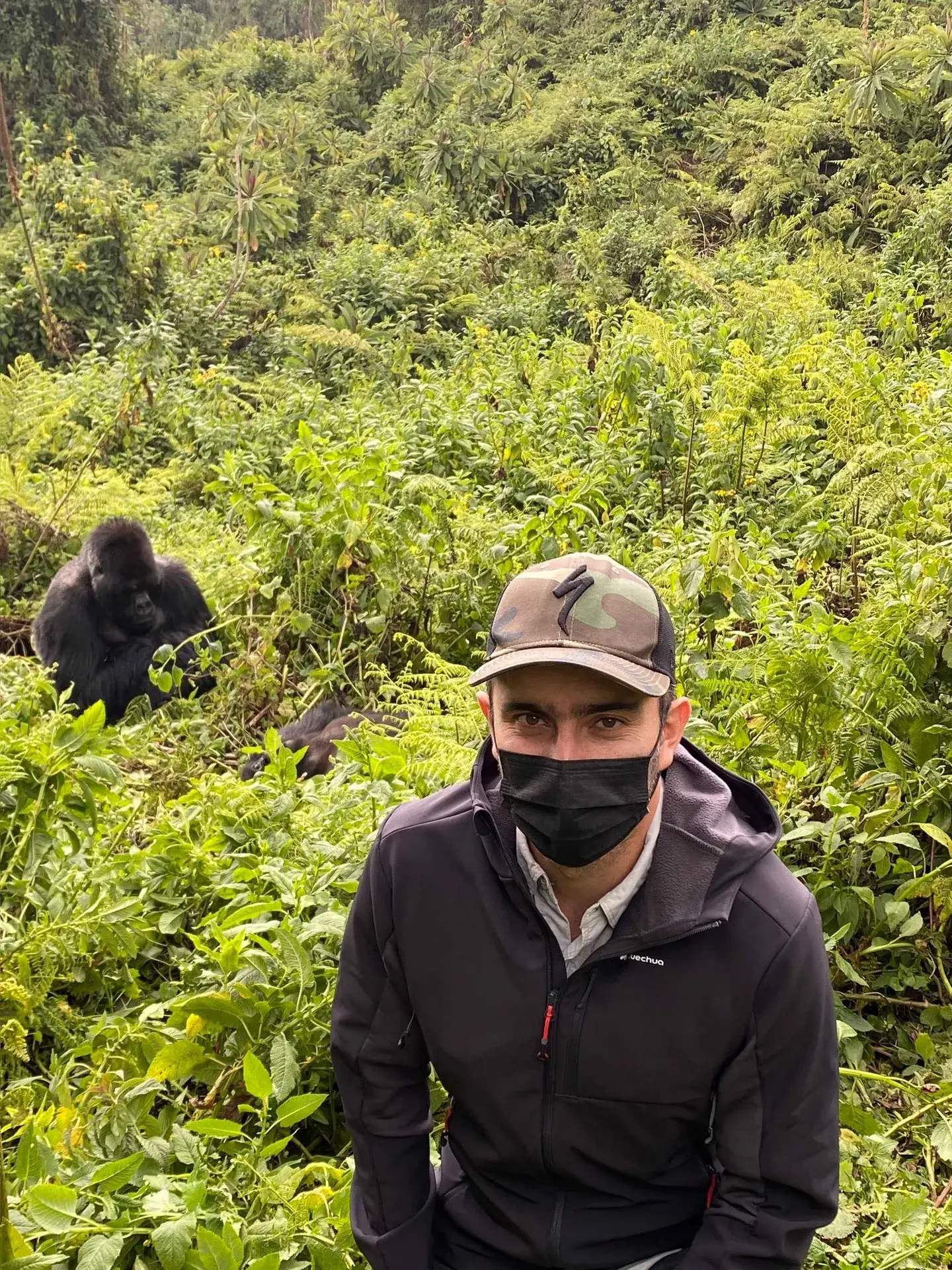
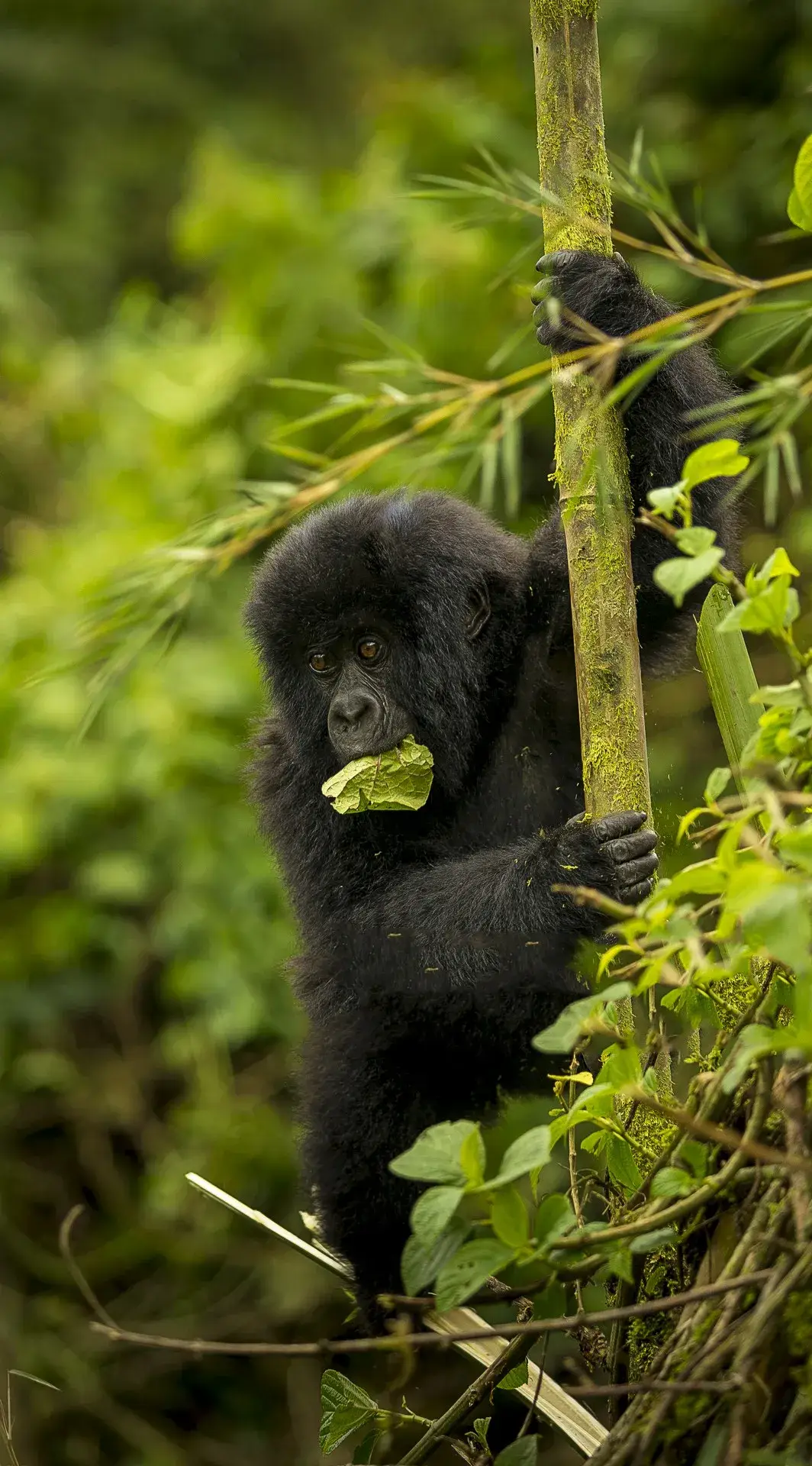
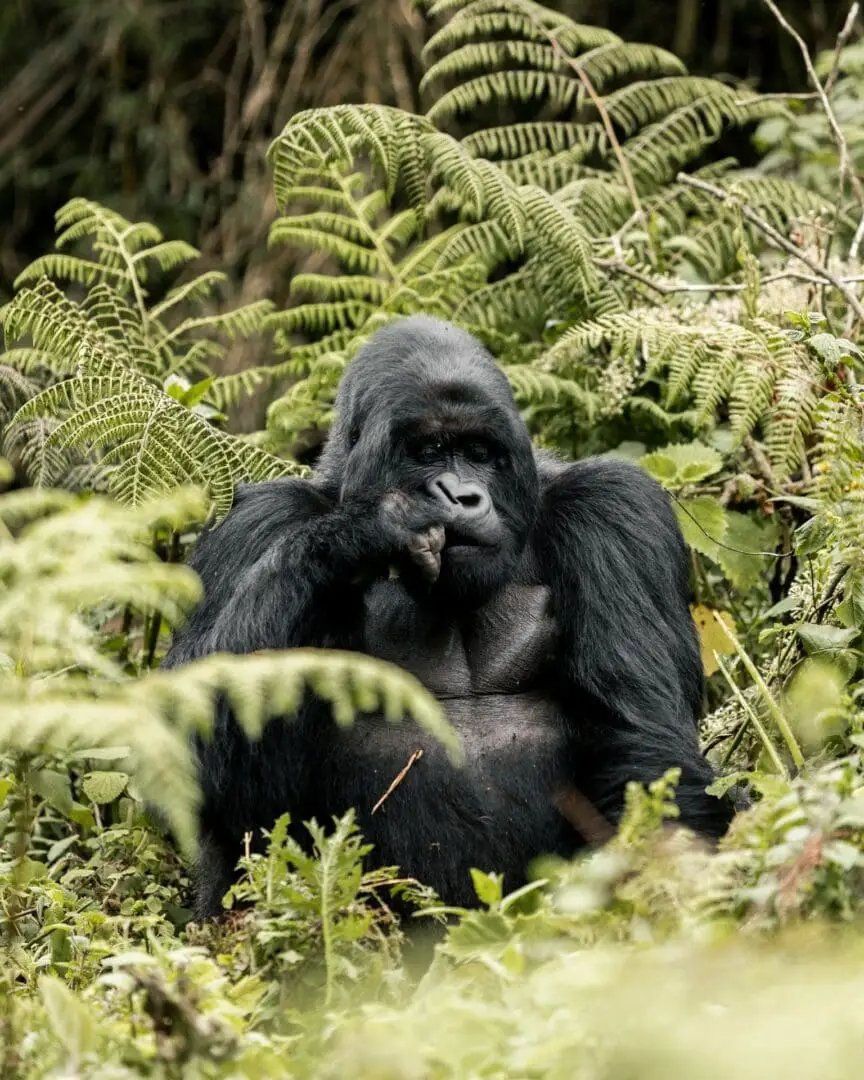
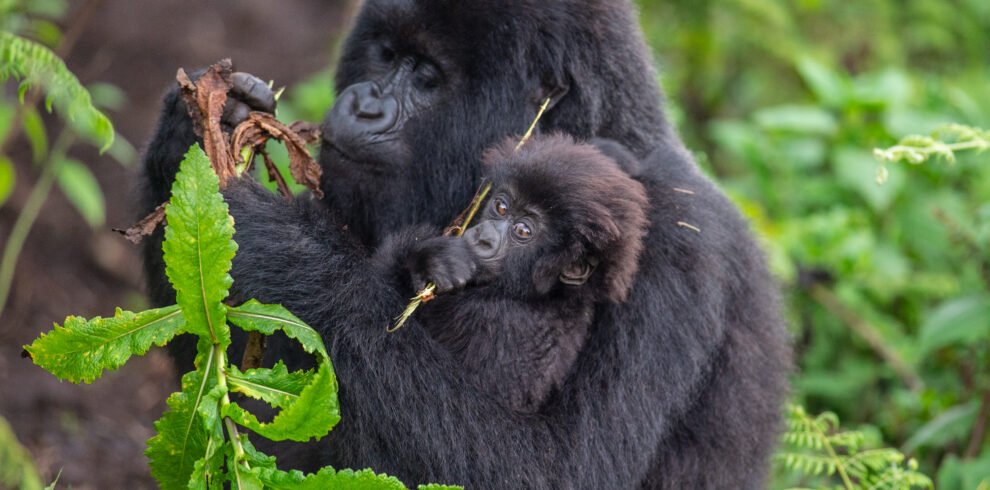
Discover our Popular selling Rwanda Safaris: 3 days Rwanda Gorilla Trekking Tour, 4 Day Gorilla safari with Golden Monkey, 7 Day Rwanda Primates Safari, 1 Day Gorilla Trekking Safari in Rwanda
Frequently Asked Questions About Gishwati Mukura National Park
Planning a safari in Rwanda raises many important questions , from gorilla trekking permits and safety to costs, logistics, and what to pack.
This section answers the most common questions about Rwanda Gorilla Trekking Tours and Wildlife Safaris.
What makes Gishwati Mukura National Park unique?
It is Rwanda’s newest national park, pairing rainforest conservation with primate tracking, birding, and ecotourism.
Where should I stay in Gishwati mukura National Park?
The Forest of Hope Guest House offers a community-focused experience.
Is it safe to hike in Gishwati Mukura forest?
Yes. All hikes are led by professional RDB rangers. They are highly trained in forest navigation and wildlife safety.
Is Gishwati Mukura suitable for families?
Yes. The park’s trails and wildlife viewing make it suitable for families seeking nature and conservation experiences.
Can I combine Gishwati Mukura with other Rwanda attractions?
Absolutely. Combine your visit with Volcanoes, Nyungwe, gorilla trekking, or cultural tours for a richer itinerary.
Can I see the Big Five in Gishwati Mukura?
No. This park is a primate and birding destination. For the Big Five, we recommend a visit to Akagera National Park.
Why Choose Hope Tours Africa for Rwanda Safaris?
At Hope Tours Africa, We are the best Tour Company in Rwanda specialize in creating personalized Rwanda safari tours. Our team handles all logistics, including permits, transport, and lodging. We ensure your journey is safe, educational, and deeply respectful of Rwanda’s natural heritage.
Explore More of Rwanda
- Guide to Volcanoes National Park – The home of the Mountain Gorillas.
- Rwanda Safari Packages
- Best Time to Visit Rwanda – A month-by-month weather guide.
- 5 Best Place to visit in Rwanda
- Visit Rwanda’s top destinations